Memoir-in-progress
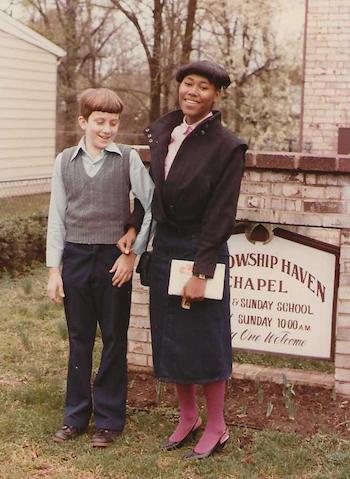
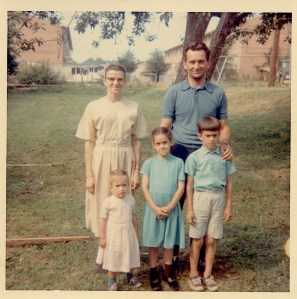
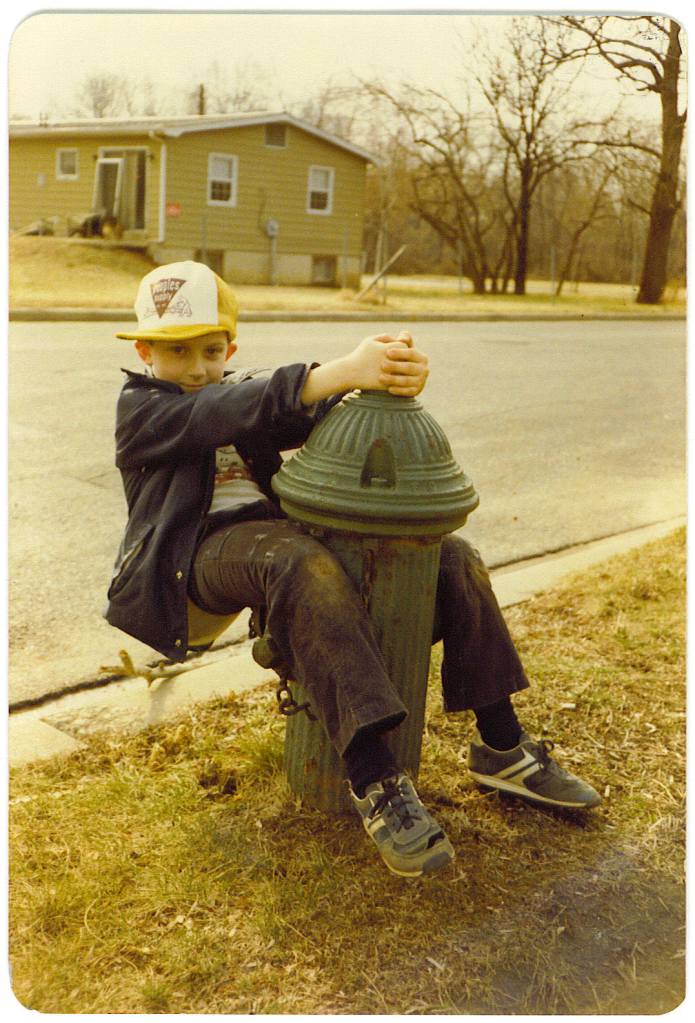
In the mid-1970s, I was born into a thriving cross-cultural church community that my white, farm-raised, Amish-Mennonite parents had created within a Black neighborhood in a far corner of our nation’s capital. Being treated like a beloved younger brother by neighborhood young adults and idyllic afternoons of tackle football in the empty lot mixed with hard-knock realities: my dad was the strict pastor who wouldn’t let me transgress, my mom dressed me funny, and I was a pacifist white kid on streets where might made right.
By the mid-2000s, when I moved back to the Kenilworth area as an adult, the neighborhood and the thriving faith community I was part of as a kid had gone downhill. Family? Scattered. Church? Tiny and falling apart. Old friends? Dope dealers. Neighborhood? Struggling with drugs, violence, neglect, and teens who ran stolen cars around like my childhood street was a set for an action movie.
Building to a multi-continental life yet tightly wrapped around two square blocks in Washington DC, my tale becomes a quest to make my birth neighborhood again a cross-racial home. In this poignant and sometimes harrowing memoir, I look back at my place in Kenilworth and ask the question: does a Mennonite whiteboy have any claim to belong within an urban Black community?
Full of insight and occasional irreverence, this is a surprisingly rollicking tale of what happens when the a capella hymns of the plain people mix with the sweaty go-go music of Chocolate City in the brain of a preacher’s son shedding his parents’ traditions and forging his own path.
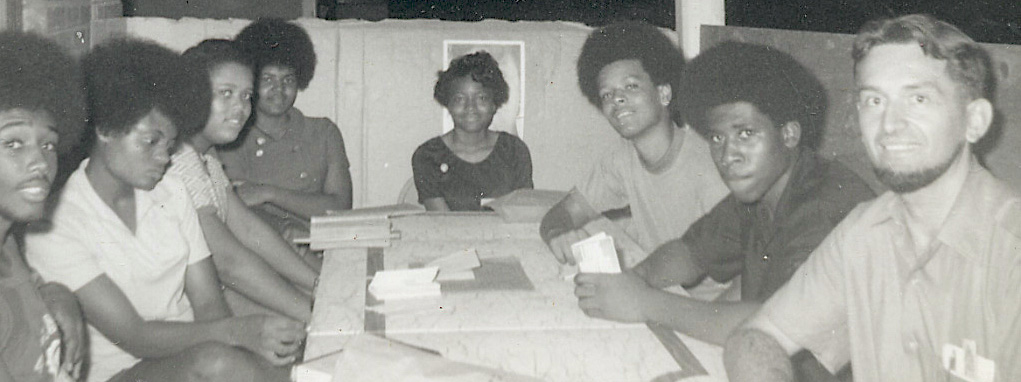

A lot of people in Kenilworth just couldn’t understand — all this blackness, why is this white group so deep in here?
Lenora Dubard-Burke
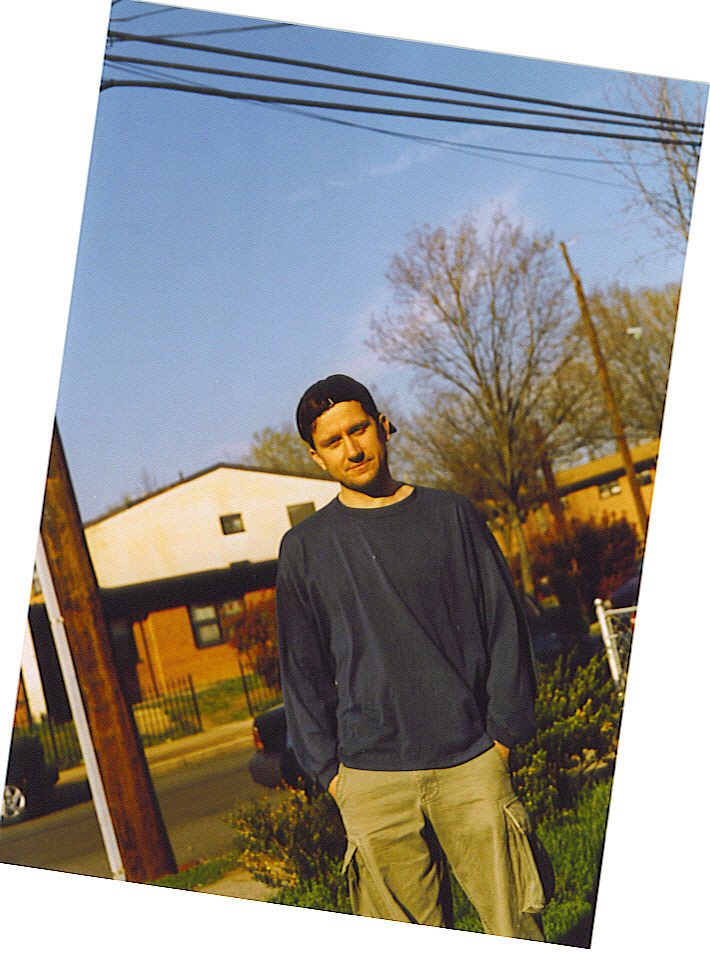

I saw them sucker punch you. I was looking out the window of that house you was born in, Joseph. I called the police. I said, “They hittin’ that whiteboy out there.”
Fishstick

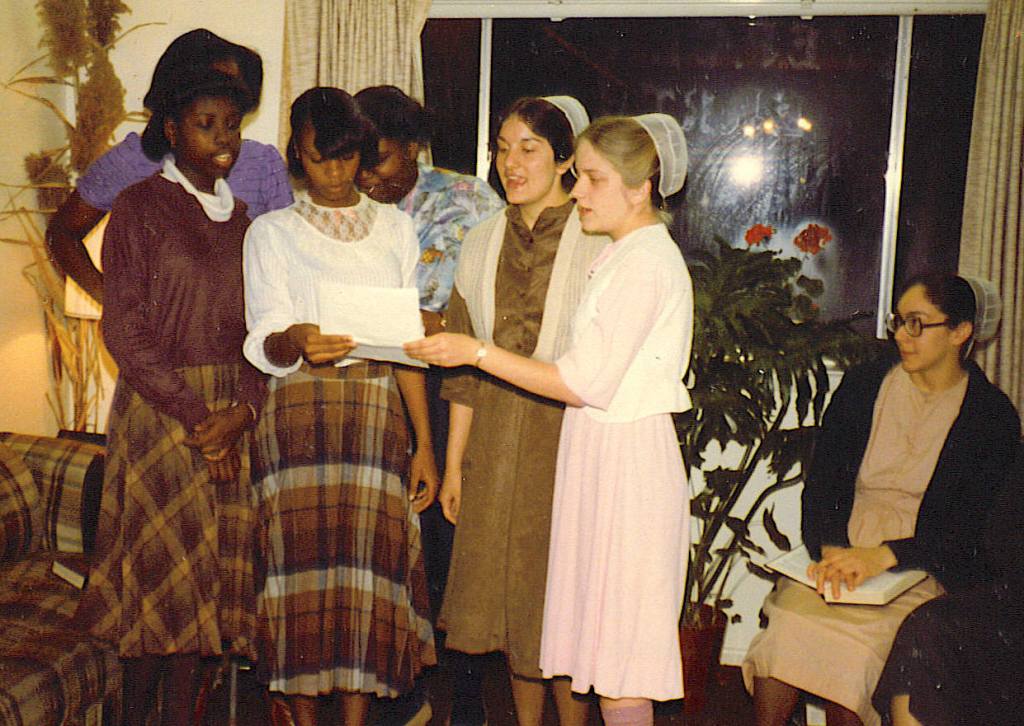

The Fellowship Haven Chorus, pictured above on a 1973 cassette cover, was one of the best expressions of the positive cross-racial community my parents built.
 Joe Lapp